

Is Streetwear Appropriate for Golf? A Guide to Course Style
Table of Contents
- The New Rules of Golf Style: Where Streetwear Fits In
- From Fairway to Street: The Evolution of Course Dress Codes
- Can You Wear Hoodies on Golf Courses?
- How Modern Golf Fashion Trends Are Reshaping the Fairway
- Golf Streetwear Brands That Bridge the Gap Between Block and Course
- Dressing for Your Course: A Club-by-Club Approach
- Shop the Look: Building a Course-Ready Streetwear Rotation
- Frequently Asked Questions
Last Updated: November 12, 2026
The New Rules of Golf Style: Where Streetwear Fits In
Is streetwear appropriate for golf? The short answer: it depends on where you're teeing off. The global golf apparel market is projected to reach $9.89 billion in 2026, according to Fortune Business Insights' golf apparel market analysis, and a growing share of that spend is going to pieces that look as at home on the block as on the back nine. At Tiger Hoods, we build for that exact crossover.
Golf streetwear is apparel that borrows the silhouettes, graphics, and attitude of urban fashion while meeting the performance and coverage standards most courses require. The category is real, but so are the rulebooks.
Below, we break down where streetwear passes, where it gets you turned away at the pro shop, and how to build a rotation that works at both.
From Fairway to Street: The Evolution of Course Dress Codes
Course dress codes have loosened, but they haven't disappeared. Many private clubs still ban denim and require a collared shirt, while municipal courses increasingly accept joggers and clean sneakers. The gap between those two realities is where most style mistakes happen.
The shift is well documented. Sporting Insights' research on golf apparel preferences tracks how golfer tastes have moved toward modern, versatile looks, and FashionBeans' 2026 golf style coverage notes the sport is no longer "quiet," pushing bold prints and technical fabrics into the mainstream.
That's the throughline for everything below: golf didn't abandon its standards. It expanded what counts as meeting them.
Can You Wear Hoodies on Golf Courses?
Yes, with caveats, and the caveats matter more than the yes. A hoodie is acceptable at many modern and municipal courses, but plenty of traditional clubs still prohibit them outright. The safe move is a hooded polo or a clean, logo-free hoodie, and always check the club's posted dress code before your tee time.
Hoodies are the flashpoint in this debate. They're the most streetwear-coded item you can wear, and the most likely to draw a comment from the starter. Our Tiger Hoods Limited Edition Polo is collared and lightweight, with a look that sits well away from traditional country-club styling.

The Fabric Question Most Guides Skip
Here's where the hoodie debate actually gets decided, and where most guides stop short: performance. A standard streetwear hoodie is typically a heavyweight cotton or cotton-poly blend, often 300 to 400 grams per square meter, built for warmth and drape, not for rotation. Cotton absorbs moisture and holds it, so a humid round turns a heavyweight hoodie into a wet blanket by the back nine. It also restricts the shoulder turn, because the fabric has little mechanical stretch and the hood adds bulk at the neckline.
A golf-specific hooded layer flips those properties. The practical test: if the hoodie feels heavy in your hand and stiff across the chest, it's a street piece, not a golf piece. If it stretches in every direction and dries quickly, it can pass both the dress code and the swing test.
Joggers, Sneakers and the Comfort vs. Tradition Debate
Joggers and sneakers sit in the same gray zone as hoodies. Many courses now accept joggers in place of slacks, but sneakers are frequently restricted to golf-specific spikeless models. The rule of thumb: if it looks like gym wear, assume it's a no until the club says otherwise.
Comfort won this fight on the performance side. Moisture-wicking fabrics and stretch materials are now standard, and breathability matters more than heritage. The remaining friction is purely about appearance, and that's a club-by-club call. Joggers pass more often when they're tapered, made of a technical fabric, and free of large logos, the silhouette reads as athletic rather than loungewear. Sneakers pass more often when they're spikeless golf shoes that happen to look like street trainers, not actual street trainers with a flat outsole that slips on dew.
That's the throughline: the garment category isn't the problem. The fabric and the finish are.
How Modern Golf Fashion Trends Are Reshaping the Fairway
Bold is the defining trend. Graphics, high-impact prints, and technical fabrics now drive the category, and top wear accounts for a 34% share of the golf outfit segment, per Future Market Insights' golf outfit market report. The polo is where streetwear's influence shows up most.
That shift has pulled in a new golfer. Oren John's commentary on golf replacing streetwear staples argues golf apparel is increasingly displacing surf, skate, and traditional streetwear as a primary fashion choice for men across ages. The course became the new place to be seen.
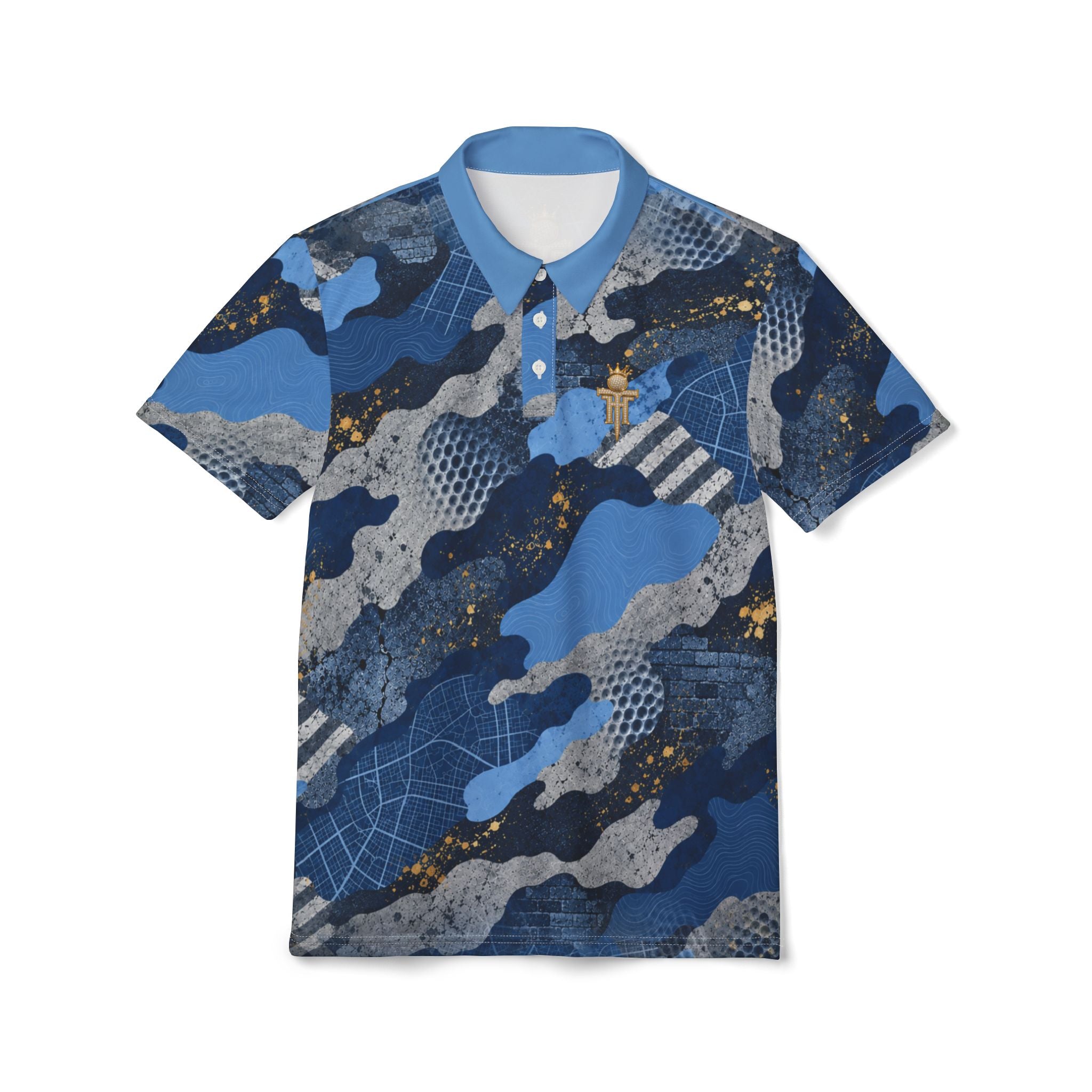
Our Urban Warfare - Carolina Blue is a direct answer to that trend: camouflage, brick textures, and map lines on a performance polo that still reads as golf.
Golf Streetwear Brands That Bridge the Gap Between Block and Course
The brands winning this space share one trait: they respect the collar. Graphic tees and raw streetwear labels rarely clear dress codes, but crossover brands build polos and performance tops with street DNA. That's the lane we occupy at Tiger Hoods, fusing golf culture with street roots.
What separates a real crossover piece from a costume:
- Collar and placket: non-negotiable at most courses
- Performance fabric: moisture-wicking, stretch, breathable
- Restrained graphics: bold, but not so loud the clubhouse balks
- Versatility: wears from tee box to dinner without a change
If you're coming from pure streetwear, expect the fit to be more athletic and the fabric lighter than a heavyweight hoodie. That's the trade for on-course play.
Dressing for Your Course: A Club-by-Club Approach
The single biggest mistake is assuming one outfit works everywhere. Dress codes vary wildly by course type, and the same joggers that pass at a municipal track can get you sent back to the car at a private club. Here's how we'd map it:
| Course Type | Collared Shirt | Hoodie | Joggers | Sneakers |
|---|---|---|---|---|
| Municipal / public | Required | Usually fine | Usually fine | Spikeless only |
| Semi-private | Required | Check first | Sometimes | Spikeless only |
| Private / country club | Required | Often banned | Rarely | Golf shoes only |
Why the Lines Fall Where They Do
The table is a starting point, not a rulebook. The reason municipal courses are more permissive isn't that they care less about golf, it's that their business model depends on volume and accessibility, so dress codes are written loosely and enforced by the starter's judgment rather than a membership committee.
A common pattern at semi-private clubs is a posted code that's stricter on paper than in practice: collars required, denim banned, but joggers and clean spikeless sneakers tolerated if they're technical rather than loungewear. The safe play is to call the pro shop the day before and ask two specific questions: are joggers acceptable, and are spikeless sneakers allowed? Those two answers tell you more than the posted sign.
Climate Changes the Rotation, Not the Rules
Two nuances most guides skip. First, climate matters, and it changes what you pack more than what's allowed. Breathable, light-colored fabrics and a moisture-wicking base layer are the practical answer, and a technical cap or visor does more for comfort than any fashion choice.
Second, etiquette extends past the dress code. Hat off in the clubhouse, shirt tucked if the club asks, and no graphic tees at the dinner table. Those unwritten rules are enforced socially, not posted, and they're where visiting golfers get caught out most often.
Watch out: showing up in denim is the fastest way to get turned away, since it's banned at most courses regardless of how good it looks, and at private clubs, the person who invited you may hear about it before you reach the first tee.
Shop the Look: Building a Course-Ready Streetwear Rotation
A course-ready rotation starts with three pieces: a graphic performance polo, a neutral layer for cooler rounds, and spikeless shoes that pass the dress code. Build from the polo out, since it's the one item every course requires.
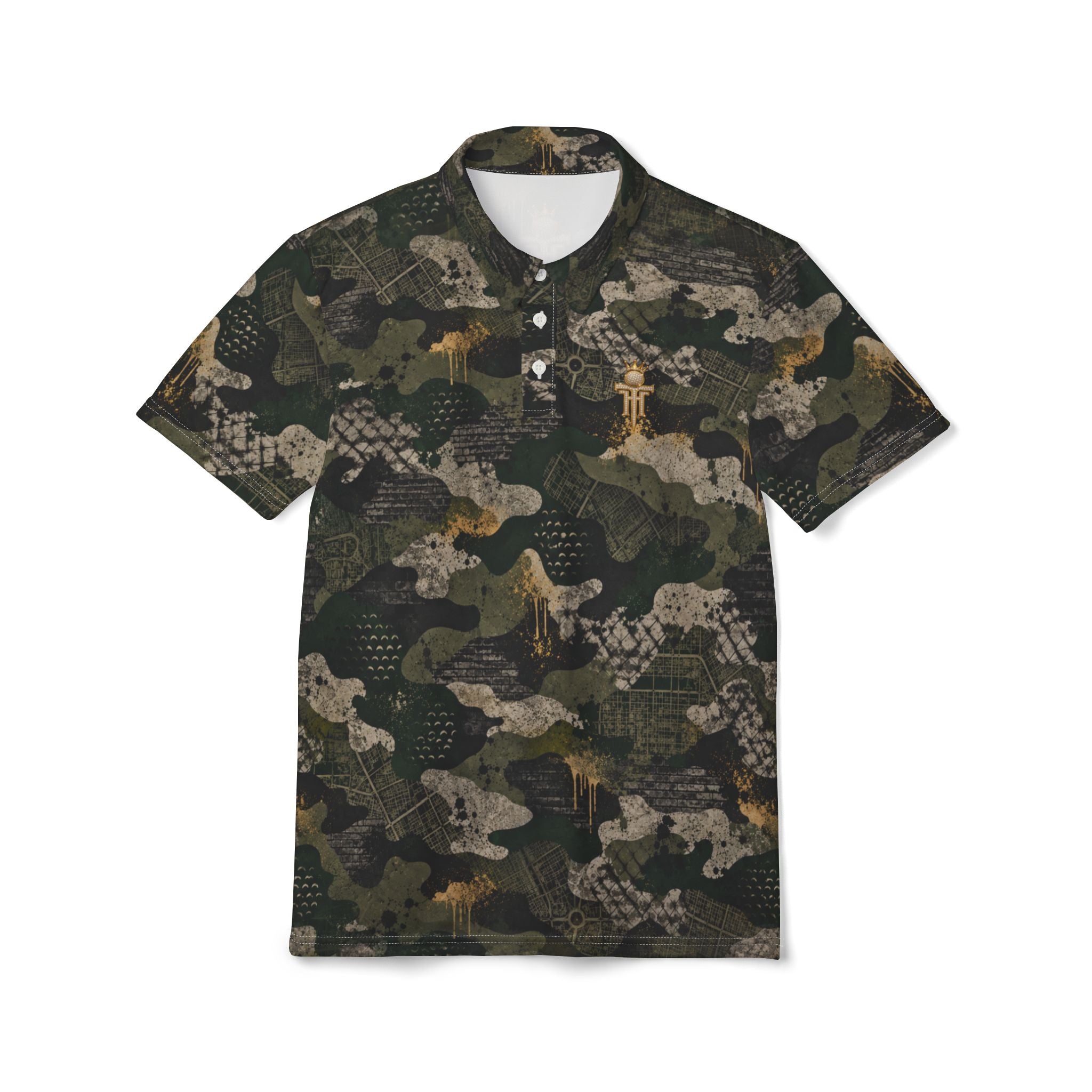
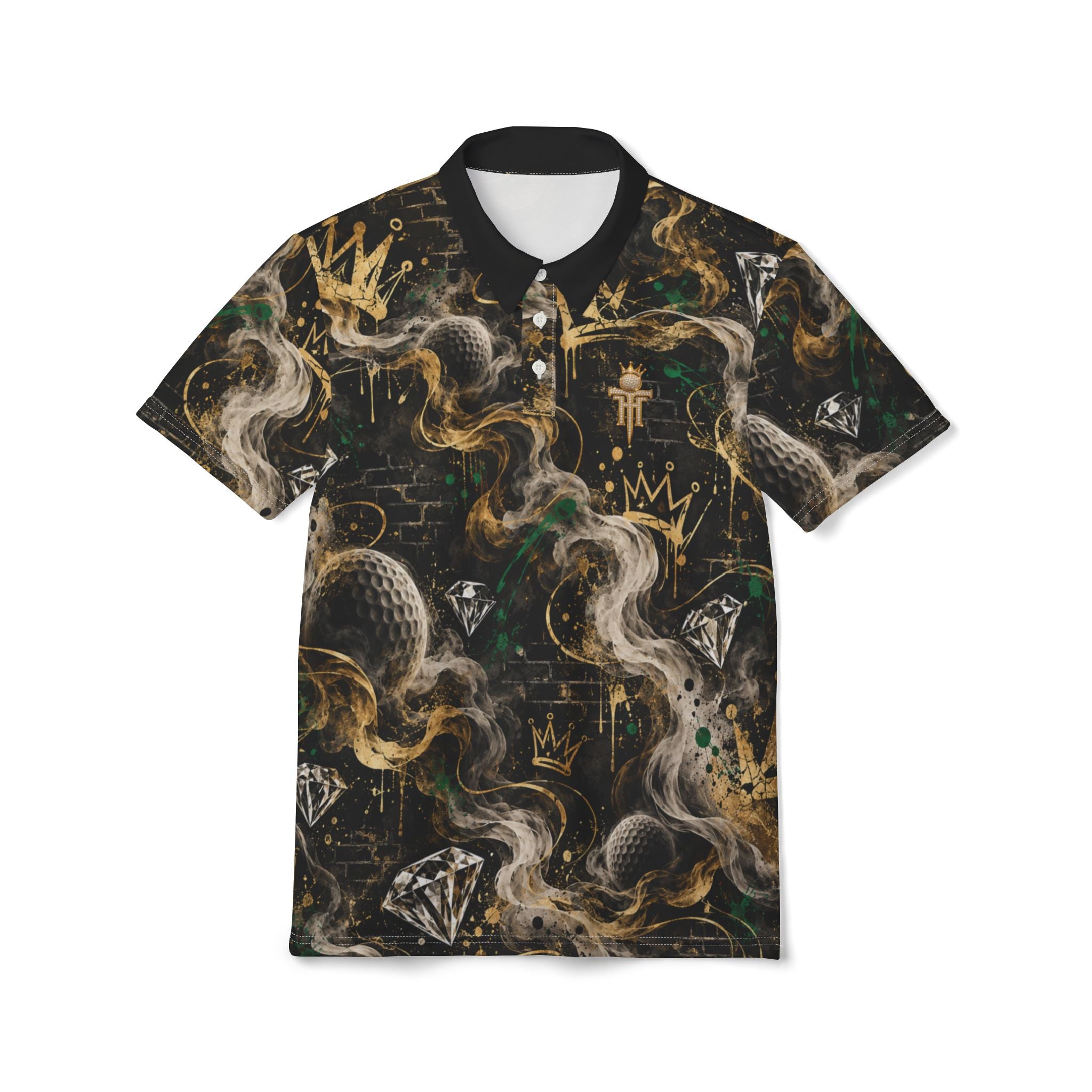
Start with two or three polos you can rotate through a season. Our Midnight Royalty brings graffiti crowns and diamond graphics to a lightweight 100% polyester build, and the Fairway Soldier runs camouflage and gold accents for a bolder look.
Streetwear belongs on the golf course when it respects the collar, the fabric performs, and you've checked the club's rules before you show up. That's the whole game. Tiger Hoods builds polos that carry your identity from the block to the tee box, with lightweight 100% polyester construction, breathable all-over prints, and a classic collar and three-button placket that clear most dress codes. Get started with Tiger Hoods and wear your story on the fairway.
Frequently Asked Questions
What not to wear when golfing?
Denim, t-shirts, and overly casual sneakers are the most common no-gos at traditional courses. Many clubs also restrict leggings, athletic shorts, and tank tops. The safest approach is to check the specific course's dress code before your tee time. A collared shirt is almost universally required, and even at lenient courses, avoiding denim and graphic tees keeps you in good standing.
Are hoodies and joggers considered acceptable golf attire today?
It depends on the course. Modern municipal courses and many public facilities now allow hoodies and joggers, especially those made with moisture-wicking performance fabric. Traditional private clubs often still prohibit them. The key is to check ahead and opt for golf-specific versions that look intentional rather than gym wear. A hoodie in a technical fabric with a collared shirt underneath can work at more progressive courses.
What is the difference between performance golf wear and golf streetwear?
Performance golf wear focuses on technical fabrics, moisture-wicking, stretch, and athletic fits designed purely for swing mechanics and breathability. Golf streetwear blends those technical features with street-inspired aesthetics like bold prints, jogger silhouettes, and hoodies. Golf streetwear pieces combine performance-oriented construction with a look that can transition from the course to social settings.
How do you balance personal style with traditional golf course etiquette?
Start with the non-negotiables: a collared shirt, tailored shorts or pants, and closed-toe shoes. Then layer in personal style through prints, colors, and technical hoodies or joggers where the course allows. Respecting clubhouse atmosphere matters, so save the boldest pieces for casual rounds or courses known for a modern vibe. When in doubt, ask the pro shop before you play.
